
Many men start noticing small changes in their urination as they get older. They may need to wake up several times at night to urinate, feel a frequent urge to go to the toilet, or find it difficult to start the urine flow. These changes can be uncomfortable and may affect daily life.
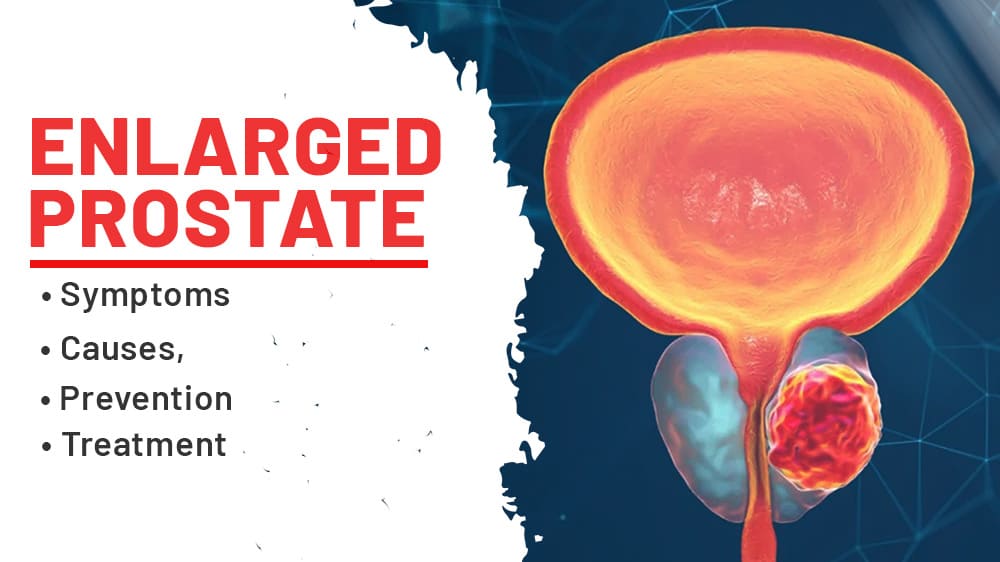
In many cases, these symptoms happen because the prostate gland becomes enlarged. This condition is known as Benign Prostatic Hyperplasia (BPH). When the prostate increases in size, it can press against the urethra and make it harder for urine to pass normally.
Although an enlarged prostate is common in men as they grow older, it should not be ignored. Understanding the symptoms and getting timely medical advice can help manage the condition effectively. In this blog, we will discuss the symptoms, causes, prevention, and treatment options for an enlarged prostate.
What is an Enlarged Prostate?
The prostate functions as a small gland that exists within the male reproductive system. This gland produces a portion of the fluid that nourishes and carries sperm.
Benign prostatic hyperplasia (BPH) is the medical term for an enlarged prostate and as the prostate gland enlarges gradually, the formation becomes non-cancerous. Enlarged prostates make urination a strain as pressure is applied to the urethra.
BPH occurs as males age. After 50 years, male individuals begin to experience symptoms and the likelihood of the symptoms occurring continues to climb. The symptoms of the condition, although non-cancerous, can be detrimental to quality of life.
Symptoms of Enlarged Prostate
Problems with the size of one's prostate are almost always related to issues with urination which can develop slowly over the course of time.
Typical Urinary Symptoms
Strong urge to urinate
Having to urinate during the night
Trouble starting to urinate
Stream of urination is weak or slow
Urine dribble after urination is complete
Belly still hasn't been able to feel the bladder is empty
Irregular and sudden urge to urinate
Advanced or Severe Symptoms
Not getting treatment for an enlarged prostate can lead to serious complications like:
Trouble urinating
Burning or painful urination
Blood in ur urine
Frequent urinary tract infections.
These symptoms merit the need for evaluation by a urologist for diagnosis and treatment.
Causes of Enlarged Prostate
The cause behind prostate enlargement is not easy to pinpoint, but multiple reasons can cause this to happen.
Age-Related Hormonal Changes
The most common causes for enlargement of the prostate are hormonal changes due to age. As males age, the balance of their testosterone and other related hormones shifts. Growth of prostate cells can be stimulated due to these changes.
Genetic and Lifestyle Factors
Several genetic and lifestyle factors can increase the risk of developing BPH, such as:
Family history of prostate enlargement
Obesity or being overweight
Sedentary lifestyle
Poor dietary habits
Other Medical Conditions
Some men may be at a higher risk for prostate enlargement due to certain health conditions, such as:
Diabetes
Heart disease
High blood pressure
Metabolic disorders
These diseases are such that they affect the hormonal balance and the overall health of the prostate.
Risk Factors for Enlarged Prostate
While any man can develop prostate enlargement, certain factors increase the likelihood of its occurrence.
Some risk factors include:
Age over 40–50 years
Prostate issues in the family
Obesity and a sedentary lifestyle
Diabetes and heart disease
Unhealthy lifestyle
How is an enlarged prostate diagnosed?
Some common tests and procedures include:
Assessment of medical history and symptoms
Digital Rectal Exam (DRE) to assess the prostate
Prostate Specific Antigen (PSA) test is a blood test concerning the prostate
Urine test to check for infection
Prostate and bladder Ultrasound/imaging
Prostate Uroflowmetry (flow rate of urine)
All of the above help the physician determine the state of the condition (enlarged prostate) and help the physician determine the best approach concerning treatment.
Prevention of Enlarged Prostate
There are some things you can do to help keep your prostate healthy and possibly stop issues with your prostate from occurring, even if you can’t stop prostate enlargement from happening.
Practice Healthy Habits
Lose some weight if you are overweight
Take walks and exercise
Try not to sit in one place for long periods of time
Eat a Healthy Balanced Diet
What you eat can have a big impact on your prostate health and some tips to keep in mind are:
Try to eat more fruits and veggies
Whole grains and Healthy foods
Try not to eat a lot of greasy foods
See a Doctor
If you have a family history of prostate issues or are more than 40 years of age, you should get your prostate checked. If there are issues, they will show up before it starts to get serious.
Methods for Dealing with an Enlarged Prostate
When symptoms are less severe, they may be kept in check with some changes to one’s daily routine, but more severe symptoms will almost always need some sort of evaluation and treatment from a medical professional.
Keeping the symptoms in check with changes to the daily routine
To keep mild symptoms under control, a physician may recommend some changes to one’s daily routine. These may include drinking less caffeine and alcohol, refraining from drinking fluids before going to bed, and possibly trying to do a bladder training exercise to gain better control over the urges to urinate.
To deal with symptoms with medicine
Some medications may help deal with symptoms and improve the flow of urine. Alpha blockers help relax the muscles around the prostate and the bladder neck. 5-alpha reductase blockers, over time, help reduce the size of the prostate.
Minimally Invasive Procedures
Minimally invasive treatments become necessary when medications fail to deliver sufficient relief. The use of laser therapy, UroLift and Rezūm therapy performs two functions because it reduces urethral pressure while enabling patients to recover more rapidly.
Surgical Options
Surgical removal becomes necessary when prostate tissue grows beyond acceptable limits in advanced cases. The Transurethral Resection of the Prostate TURP procedure serves as a common treatment method that helps patients achieve symptom relief and regain their normal urinary patterns.
When Should You See a Urologist?
Men need to see a urologist if they have trouble:
Starting urination
Need to urinate a lot at night
Have a weak stream while urinating
Have pain while urinating
See blood in their urine
Starting medical treatment early can reduce the chance of complications and provide the most effective treatment.
Choosing the Right Urologist for Enlarged Prostate
Choosing the right urologist is important for the proper diagnosis and treatment of prostate problems. An experienced specialist can evaluate the symptoms carefully, recommend the right tests, and suggest the most suitable treatment based on the patient’s condition.
Dr. Anuj Arora, who is a specialist in enlarged prostate treatment in Greater Noida, provides advanced care and treatment options for patients dealing with prostate enlargement and other urological conditions. Consulting an experienced urologist can help manage symptoms effectively and improve overall quality of life.
Conclusion
An enlarged prostate is a common condition that many men experience as they get older. Although it is not cancer, it can cause uncomfortable urinary symptoms such as frequent urination, difficulty starting urination, and a weak urine stream. Recognizing these symptoms early and seeking medical advice can help prevent complications and improve daily comfort.
If you are experiencing symptoms related to prostate enlargement, it is important to consult a specialist for proper diagnosis and treatment. Dr. Anuj Arora, one of the best urologists in Greater Noida , provides advanced diagnosis and personalized care to help patients manage prostate problems effectively and maintain better urinary health.


