
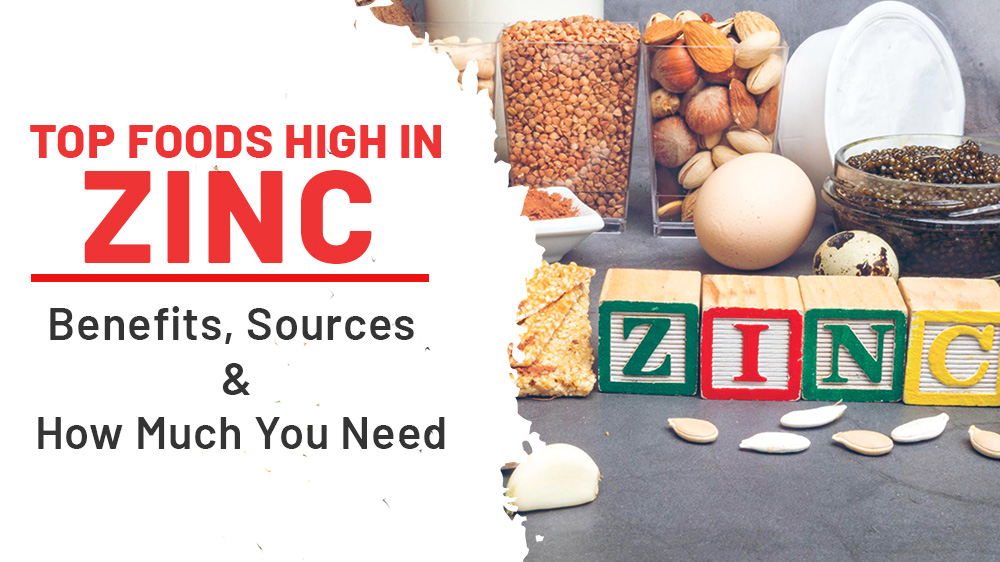
When it comes to nutrition, most people focus on vitamins like Vitamin C and Vitamin D, but essential minerals like zinc are just as important for maintaining good health.
If you’ve ever wondered what zinc does for the body, it plays a key role in supporting the immune system, helping with wound healing, boosting metabolism, and promoting the growth of new cells. It also contributes to healthy skin and supports male reproductive health. Since the body cannot produce zinc on its own, it must be obtained through food.
Not getting enough zinc can lead to a weaker immune system, slower healing, and other health issues. In this blog, we’ll explore the benefits of zinc, foods high in zinc, and the recommended daily intake your body needs to stay healthy.
What is Zinc and Why is it Important?
If you’re wondering what zinc is good for, it plays an important role in many essential functions in the body.
Zinc is an essential trace mineral, which means the body needs it in small amounts. It helps support the immune system, fight infections, and is important for cell growth and DNA production. It also plays a role in healing and tissue repair, helping the body recover from wounds.
Zinc also supports healthy skin and proper growth, especially during childhood. For men, it helps maintain hormonal balance and supports reproductive health, including testosterone levels and sperm production.
Zinc Benefits for Overall Health
There are many zinc benefits for overall health, as it plays a role in several important functions in the body.
Immune System Benefits
Zinc is important for keeping the immune system strong. Zinc helps the body fight off bacteria and viruses. Alongside that, it helps with immune cell activity. With enough Zinc in the body, there is a lower chance of getting an infection.
Zinc and Wound Healing
Zinc is essential for repairing tissues and it helps with the body’s healing processes. This is the reason why Zinc is in a lot of skin healing and recovery supplements.
Helps With Growth and Development
Zinc is involved in the formation and division of cells and tissues which is especially important in childhood and adolescence as well as pregnancy.
Improves Skin
The anti-inflammatory properties of zinc can help in the improvement and maintenance of skin.
Supports Male Reproductive Health
Zinc is important in the production of testosterone and the formation of sperm which is essential for male fertility.
Top Foods High in Zinc
Getting enough zinc from your diet is important for overall health. If you’re wondering how much zinc per day you need, including a variety of zinc rich foods in your meals can help you meet your daily requirement easily.
If you follow a plant-based diet, there are many zinc rich foods vegetarian options like beans, nuts, seeds, and whole grains that can help you maintain healthy zinc levels.
The best sources of Zinc include:
Oyster: One of the richest natural sources of zinc
Meat products: Red meat, lamb, and beef are bar and one of the most sources of zinc
Chicken: It is a rich source of zinc, as well as a good source of protein
Seeds: Pumpkin seeds are a rich and nutritious source of zinc
Nuts: Zinc can also be found in some of these products: Cashews, almonds, and sunflower seeds
Beans: Legumes are also one of the most common sources of zinc
Whole grains: Oats, Brown rice, and some other products are bar and provide moderate amounts of zinc
Dairy: Cheese and yogurt do contain some zinc
Eggs: Less and insignificant amounts of zinc are, however, provided by these sources
The body's dietary lessons should include as wide, diverse, and varied a source as possible of the above dietary lessons.
Signs of Zinc Deficiency
Zinc deficiency can affect several functions in the body. While it may be uncommon for someone to suffer from chronic zinc deficiency, it is possible for someone to experience zinc deficiency and show mild symptoms.
Some signs that are common in zinc deficiency are:
Increased instances of getting sick
Loss of hair
Slow healing of wounds
Decreased appetite
Skin conditions and/or rashes
Weakened (or complete loss of) sense of taste and/or smell
If these signs and symptoms are released, subsequently, evaluation of nutrient intake and consultation with a healthcare specialist may be imperative.
Tips to Improve Zinc Intake Naturally
It is not very complicated to keep zinc levels normal when it comes to diet.
Here are some things to do to keep zinc levels normal.
No processed foods are to be consumed.
Give a good portion of food to be eaten.
Introduce them to legumes, beans, and nuts.
Make sure to eat sufficient meat.
Drink enough unprocessed liquids.
These things will improve your body's levels of zinc to help overall health.
When Should You See a Doctor?
In some cases of finding too much zinc in the bloodstream, talk to medical professionals, even though dietary changes are an option.
You should see a doctor if you have:
Constant tiredness or weakness
Infections that occur often
Signs that you are lacking certain nutrients
Worries about fertility or reproductive health for males
Conclusion
Zinc plays an important role in keeping your immune system strong, supporting wound healing, and maintaining overall body functions and growth. Including zinc rich foods like meat, nuts, seeds, beans, dairy, and whole grains in your daily diet can help you meet your body’s zinc requirements.
A balanced diet is usually enough to maintain healthy zinc levels. However, if you start noticing signs of zinc deficiency, it’s important to consult a healthcare professional or dietitian for proper guidance. Good nutrition also supports hormonal balance and overall reproductive health.
If you have concerns related to nutrition, immunity, or male reproductive health, it’s best to seek expert advice. Dr. Anuj Arora, one of the best urologists in Greater Noida, can help you with proper evaluation and personalized treatment based on your condition.


