
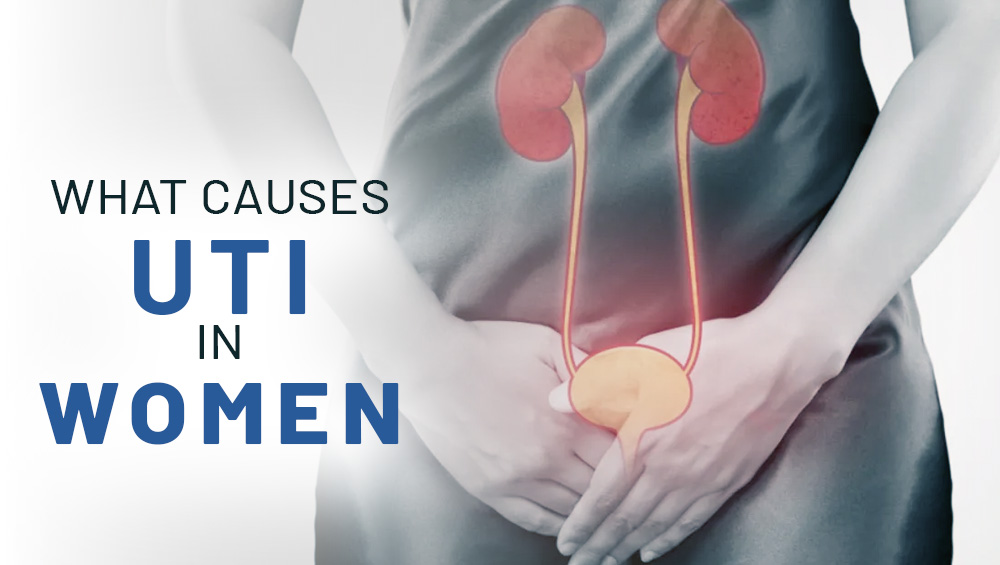
Women get urinary tract infections really common around 50% will get one and a part of urinary tract infection that is commonly misunderstood is the burning sensation and pelvic discomfort that some women get. Of course, some anatomical and hormonal variations influence the frequency and how easily women get urinary tract infections, but some other things also impact it such as live style, sexual activity, oral contraceptive use and some other medical issues.
In this post, we will provide information on the causes of urinary tract infections in women, explain why women get urinary tract infections more frequently than men, understand why some women get recurrent infections, and provide tips on how women can prevent urinary tract infections.
What Is a UTI?
When germs get into the urinary system and the urinary tract, the urethra and bladder, and in severe cases, the kidneys can start to have issues. Your kidneys can get damaged and that is called a urinary tract infection.
Women have shorter urethras and that is also why they get more infections. The urethra is also a lot closer to the anus and vagina. That's also an issue because germs such as E. coli can get into the urinary tract. If you don't get a urinary tract infection treated, there is a greater chance of you getting worse issues, such as a kidney infection.
Why UTIs Are Common in Women?
An imbalance in vaginal bacteria and UTIs is one of the key reasons harmful organisms like E. coli can enter the urethra more easily.
Body structures
A woman’s urethra is very short, probably around 4cm. Because it is so much shorter than a man's urethra, it allows things such as bacteria to easily make their way into the bladder. The vaginal and anal areas naturally contain bacteria, and when the balance of vaginal flora changes, it becomes easier for harmful bacteria to enter the urethra.
Impact of Hormonal Shifts
Hormonal changes during periods, pregnancy, breastfeeding, menopause, or low estrogen levels can affect urinary tract health.
Low estrogen reduces protective vaginal bacteria (lactobacilli), increasing UTI risk.
Daily Habits and Lifestyle
Basic and common things like wearing tight jeans, having low fluid intake, and having poor toilet hygiene can all lead to the same outcome and are all the same things that lead to bacterial growth. These are all external triggers that can help explain why women of all ages tend to have more occurrences of urinary tract infections.
Main Causes of UTI in Women
1. Bacterial Movement Toward the Urethra
The gut E. coli is the primary culprit among bacterial infections.
Female urethra being shorter lets bacteria easily access the bladder.
Wiping raises the risk of bacteria being transferred.
Infrequent bowel movements exert pressure on the bladder and help bacteria to grow.
Neglecting hygiene could be a factor in women getting urinary tract infections.
2. Sexual Activity & Intercourse-Related Causes
One of the natural effects of intercourse is the movement of the vaginal and anal bacteria towards the urethra.
It is common for women to experience UTIs after intercourse.
The use of spermicides disrupts the vaginal flora, which in turn raises the risk of getting an infection.
Birth control methods such as diaphragms and others apply pressure to the urethra.
Certain contraceptive methods, such as spermicides, diaphragms, and non-lubricated condoms, increase birth control and UTI risk by disrupting natural vaginal protection.
3. Habits of Everyday Life That Encourage UTIs
Not drinking enough water results in urine that is not very dilute and thus bacteria can grow.
Prolonged urine retention gives an opportunity for bacteria to increase their number.
Skin-tight, man-made or non-ventilated fabrics keep moisture inside.
Application of scented washing liquids or strong soaps alters the natural pH balance.
Low water intake and UTIs are closely linked, as concentrated urine allows bacteria to multiply faster in the bladder.
4. Medical Conditions & Body-Related Factors
Diabetes raises the levels of sugar in the urine which in turn helps the bacteria to grow faster.
A weak immune system lowers the body’s power to fight infections.
Hormonal imbalance, particularly at menopause, lowers the number of protective vaginal bacteria.
Not treated bladder infections may go up, giving rise to kidney infections in women.
Recurrent UTIs in Females — Why They Keep Returning
Common UTI risk factors in young women include frequent sexual activity, poor hydration, tight clothing, spermicide use, and hormonal fluctuations-
Bacteria lingering near the urethra
Close sexual encounters or use of spermicide
Constipation
Bad water intake
Abnormal structures of the urinary tract
Imbalances of the vagina's natural bacteria
Every day use of tight pants or pantyliners
Changes in hormones impacting the vagina's well-being
There are also a small number of women who have a bladder lining that makes it easier for bacteria to adhere, causing them to have more recurrent urinary tract infections. This can be seen as a reason for multiple recurring problems.
UTIs in Special Conditions
a) Infections of the Urinary System While Pregnant
Pregnancy causes urine to flow more slowly because of hormones and the pressure of the growing uterus. This causes urine to be retained (in the bladder) to make infections more likely. Urinary infections in pregnancy need to be treated before complications in the kidneys occur.
b) Reasons for Post-Delivery Urinary System Infections
Within the timeframe after giving birth, a urinary infection can happen due to:
The use of urinary catheters,
Tears or stitches in the area around the urinary opening
Not fully emptying the bladder,
Changes in hormones that can impact the type of bacteria in the vagina
Lower immunity after giving birth.
c) Menopause & Hormonal Decline
With age, estrogen levels drop. This reduces natural lubrication, thins the urethral tissues, and decreases good bacteria — creating a high-risk environment for UTIs.
When a UTI Becomes a Kidney Infection
When there is no treatment, bacteria travel to other body parts, such as the kidneys (pyelonephritis), which can lead to some serious issues, including fever, chills, and back pain, and can make someone extremely nauseous.
Some frequent causes of kidney infections in women are as follows:
Not treated or partially treated UTIs
Diabetes
Urinary retention
Pregnancy
Frequent recurring UTIs
Infections of the kidneys require immediate attention from the medical field, like doctors and nurses.
Prevention Tips for Women
Simple habits can dramatically reduce UTI risk:
Drink at least 2–3 liters of water daily
Wipe front to back
Urinate after intercourse
Avoid spermicides if prone to UTIs
Managing constipation
Wearing cotton underwear
Avoid tight clothes
Don’t hold urine
Avoid scented feminine washes
Maintain menstrual hygiene
These steps support natural bladder cleaning and protect against infections.
Conclusion
Women have frequent urinary tract infections but understanding the causes can aid in preventing them. Among the factors that could raise the risk of a UTI are sexual intercourse, personal hygiene, shifts in hormone levels, chronic diseases, and urine retention.
However, it is a good thing that most infections are simple to prevent if one just takes some steps to change one's lifestyle and receives medical help. In case you are suffering from recurrent infections, experiencing intense symptoms of infections, or having discomfort that keeps coming back, getting the help of specialists can be very beneficial.
One of the best Urologists in Greater Noida, Dr. Anuj Arora, can help you with proper diagnosis, UTIs, and Urinary Incontinence Treatment In Greater Noida, offering comprehensive and personalized care.


