
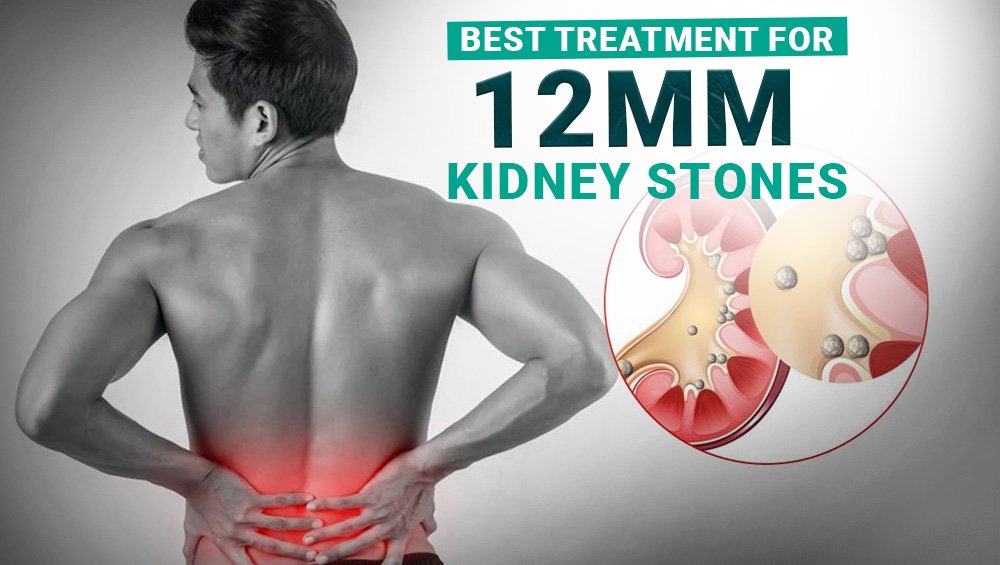
Dealing with the pain and discomfort of a 12mm kidney stone can feel overwhelming. You may be concerned about which treatment will work best and how to get fast relief. Fortunately, there are highly effective treatments available that can help break down or remove the stone safely, bringing you back to comfort. In this post, we’ll explore the best treatment methods for a 12mm kidney stone, so you can take the next steps towards recovery.
How big are 12mm Kidney Stones?
A 12mm kidney stone is considered quite large when compared to the typical size of most kidney stones. To put it into perspective, a 12mm stone is roughly the size of a small marble or about half an inch. While it may seem small visually, its impact on the body can be significant.
Kidney stones develop when minerals and salts present in the urine come together and form hard crystal deposits. Smaller stones, usually around 4–5mm, may pass through the urinary tract on their own, but a 12mm stone is generally too large to move naturally. A stone of this size can easily block the ureter—the tube that carries urine from the kidney to the bladder—resulting in severe pain called renal colic. This blockage may also cause symptoms like nausea, vomiting, and blood in the urine.
Complications in 12mm Kidney Stones
A 12mm kidney stone can cause several complications because of its large size and the difficulty it creates in moving through the urinary tract. If not treated in time, stones of this size may lead to serious health problems, including:
Urinary Tract Blockage: A 12mm stone can block the ureter—the tube that carries urine from the kidney to the bladder. This obstruction prevents proper urine drainage and can result in hydronephrosis, a painful condition where the kidney becomes swollen due to trapped urine. If ignored, this pressure can cause long-term kidney damage.
Severe Pain (Renal Colic): Large stones often trigger intense, sharp pain known as renal colic. This discomfort is usually felt in the lower abdomen, side, or back. The pain may come in waves and is often accompanied by nausea or vomiting, making it one of the most distressing symptoms of kidney stones.
Infections: When a stone blocks the flow of urine, bacteria can multiply more easily, increasing the risk of urinary tract infections (UTIs) or even kidney infections such as pyelonephritis. Symptoms may include fever, chills, and burning urination. Without timely treatment, infections can become severe and may progress to sepsis.
Blood in Urine (Hematuria): A stone this large can rub against the walls of the urinary tract, causing irritation or injury. This may lead to hematuria—blood visible in the urine or detected through tests. In some cases, the urine may appear pink or reddish due to bleeding.
Kidney Damage: Continuous blockage or untreated infections can gradually impair kidney function. Over time, a 12mm stone may contribute to chronic kidney disease or even kidney failure. In serious situations, surgical intervention becomes necessary to remove the stone and protect kidney health.
Because of these possible complications, seeking timely medical care is crucial to prevent lasting damage to the kidneys and maintain overall well-being.
What are the treatment options for 12mm Kidney Stones?
When dealing with a 12mm kidney stone, several treatment options are available based on the stone’s size, location, and the patient’s overall health. Here’s an overview of the common treatment options:
1. Medications
Certain medications can assist in the passage of kidney stones:
Alpha Blockers: Drugs such as tamsulosin help relax the muscles in the ureter, making it easier for the stone to pass.
Pain Relievers: Prescription medications may be provided for more severe pain.
2. Retrograde Intrarenal Surgery (RIRS)
RIRS is a minimally invasive technique for managing kidney stones, particularly useful for larger stones like a 12mm stone. The process includes:
Anaesthesia: The patient is typically under general anaesthesia.
Ureteroscope Insertion: A flexible ureteroscope is inserted through the urethra and bladder, navigating up to the kidney.
Laser Fragmentation: Once the stone is reached, laser energy is used to break the stone into smaller fragments.
Fragment Removal: The smaller pieces can be removed or allowed to pass naturally.
Post-Procedure Care: Patients may have a stent placed temporarily to assist in urine drainage and manage any swelling.
3. Extracorporeal Shock Wave Lithotripsy (ESWL)
This non-invasive procedure uses sound waves to break the stone into smaller fragments, facilitating easier passage. The process includes:
Preparation: The patient lies on a treatment table, and imaging techniques locate the stone.
Shock Wave Application: High-energy shock waves are directed at the stone, causing it to fragment.
Aftercare: Patients may experience discomfort as the stone fragments pass through the urinary tract, and increased fluid intake is often recommended.
4. Ureteroscopy
This procedure is suitable for stones located in the ureter or kidney and involves:
Anaesthesia: The patient is typically given general or local anaesthesia.
Insertion of a Ureteroscope: A thin tube with a camera is passed through the urethra and bladder into the ureter.
Stone Removal: The doctor uses tools to either remove the stone or break it into smaller pieces using laser energy.
Stent Placement: A stent may be temporarily placed to facilitate urine flow and reduce swelling.
5. Percutaneous Nephrolithotomy (PCNL)
This surgical option is for larger stones, especially those in the kidney. The procedure involves:
Anaesthesia: General anaesthesia is administered.
Small Incision: A small incision is made in the back to access the kidney.
Stone Removal: The doctor uses specialized instruments to directly remove the stone or break it into fragments.
Recovery: Hospital stay is often required for monitoring, and a stent may be placed.
The choice of treatment for a 12mm kidney stone depends on various factors, including the patient’s overall health, the stone’s location, and the presence of any complications. Consulting with a healthcare professional is essential to determine the most appropriate approach for effective management and recovery.
Why RIRS is the Best Treatment for 12mm Kidney Stones
Retrograde Intrarenal Surgery (RIRS) is widely considered one of the most effective treatment options for a 12mm kidney stone. This advanced, minimally invasive procedure offers several benefits compared to conventional techniques, making it a highly preferred choice among patients and specialists alike. Here’s why RIRS is an excellent option for stones of this size:
1. Minimally Invasive Procedure
RIRS is performed using a flexible ureteroscope inserted through the natural urinary pathway—the urethra, bladder, and into the kidney. Since the procedure requires no external cuts, it causes far less trauma than open or traditional surgery.
Benefits include:
Less Pain: Patients experience significantly reduced postoperative discomfort.
Faster Recovery: With no large incisions, healing is quicker, allowing patients to resume routine activities much sooner.
2. Highly Effective Stone Fragmentation
A major advantage of RIRS is its use of advanced laser energy to break the stone.
Laser Lithotripsy: High-energy laser pulses precisely target the 12mm stone and break it into tiny fragments. These pieces can then be removed or allowed to pass naturally. This leads to a high stone-clearance rate and excellent treatment outcomes.
3. Superior Precision and Control
The flexible ureteroscope used during RIRS provides excellent visibility inside the kidney, giving the surgeon precise control.
This allows for:
Targeted Treatment: Direct visualization ensures accurate fragmentation with minimal risk to surrounding tissue.
Real-time Adjustments: The surgeon can adapt the procedure instantly if needed, improving both safety and effectiveness.
4. Shorter Hospital Stay
Because it is minimally invasive, RIRS usually requires only a brief hospital stay—often just a few hours or overnight.
This results in:
Cost Savings: Less hospitalization reduces overall treatment expenses.
Minimal Disruption: Faster recovery means patients can return to their normal lifestyle much sooner.
For anyone dealing with a 12mm kidney stone, RIRS provides a safe, efficient, and comfortable treatment pathway, helping patients get back to normal life quickly.
Conclusion
A 12 mm kidney stone, due to its size, cannot be passed spontaneously, and therefore, tends to need external assistance. Fortunately, the techniques are non invasive and very advanced. The techniques which can be employed include, SWL, RIRS, which tries to remove the stone with the least amount of pain, along with PCNL, and URS with laser.
If you’ve ever been in this situation, it is important to consult the Best Urologist in Greater Noida for the right guidance. Dr. Anuj Arora has successfully treated countless patients with kidney stone using advanced and minimally invasive techniques with over 13 years of experience. Through his expert consultation, you not only receive the most effective treatment for your current condition but also long-term assistance in preventing future stones.
Also Read:


